Fence Maintenance Tips for Every Season: Keep Your Fence Looking Its Best All Year
Seasonal fence maintenance is vital for maintaining both the durability and aesthetics of outdoor fencing installations. Routine checks and maintenance can help avoid climate-induced deterioration and pest-related issues. Each time of year introduces specific hurdles and duties that need addressing. Recognizing these periodic maintenance duties can significantly improve your fence's durability and aesthetic appeal. Yet, a large number of homeowners tend to ignore these vital maintenance steps. So, what specific steps should one take to guarantee their fence remains resilient throughout the year?
Why Seasonal Fence Maintenance Is Essential for Longevity and Aesthetics
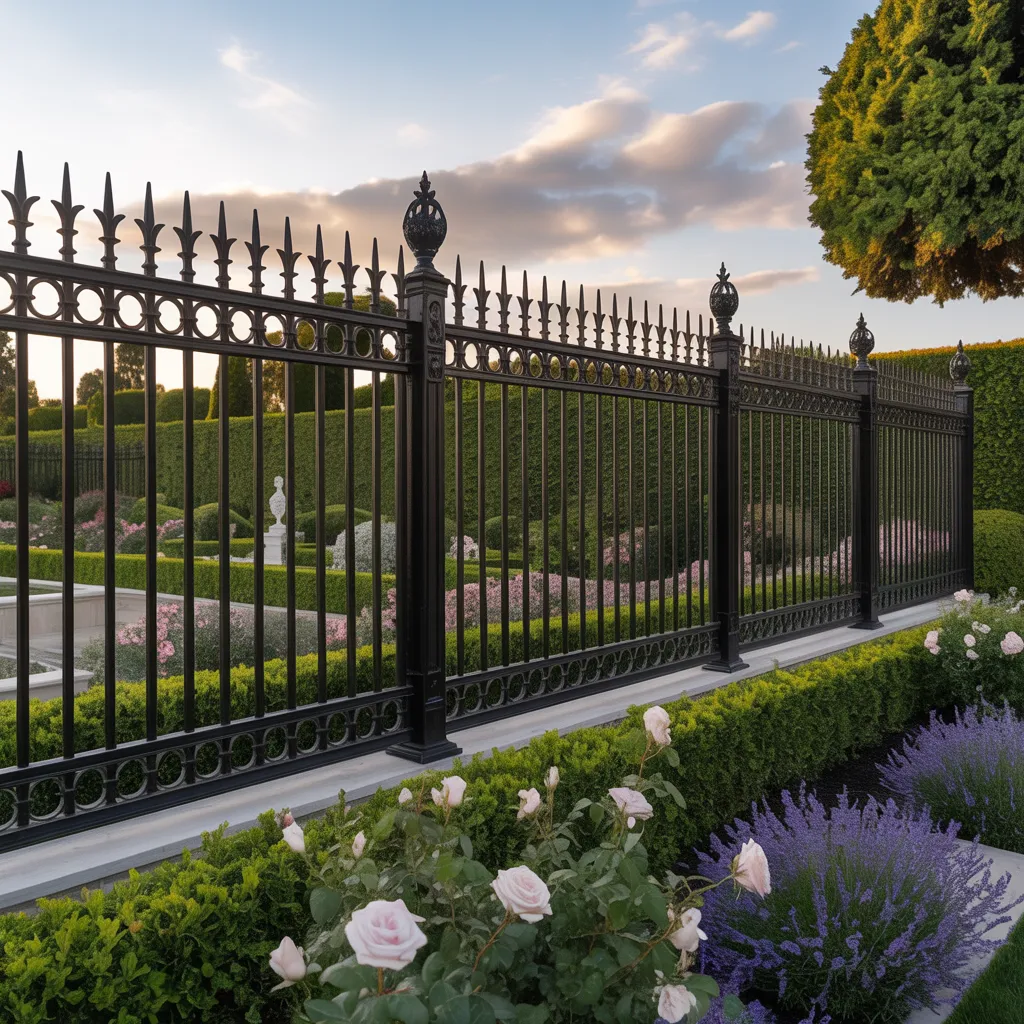
Seasonal fence upkeep represents a dedication to maintaining both the structural integrity and appearance of outdoor structures. Regular upkeep is essential in protecting against harm caused by environmental factors, insects, and general wear. For wooden fences, treatments such as sealing and staining can protect against moisture and rot, extending their lifespan markedly. Steel and iron fences require thorough examinations for rust and structural degradation, that, if ignored, can ultimately cause significant structural damage.
Moreover, a regularly maintained fence elevates the visual appeal of a home, offering a neat look that complements outdoor landscaping. Regular seasonal inspections allow for timely repairs, guaranteeing that small concerns do not escalate into costly replacements. By focusing on seasonal maintenance, homeowners not only safeguard their financial investment but also contribute to the overall attractiveness and value of their property. Consistent upkeep ultimately highlights a homeowner's commitment to their yard, creating a inviting environment for family and guests alike.
Spring Cleanup: Your Comprehensive Fence Maintenance Checklist
When winter transitions to spring, homeowners ought to focus on a thorough fence maintenance checklist to secure their outdoor structures remain in top condition. Initially, a careful inspection of the fence is essential. Homeowners should check for loose boards, rust, and any signs of deterioration or damage. Additionally, debris removal is vital; removing leaves, dirt, and accumulated debris prevents moisture buildup that could compromise the integrity of the fence.
Cleaning is the second stage. A gentle power wash or scrubbing with soapy water can eliminate dirt and mildew. After washing, homeowners should determine if a fresh coat of paint or stain is needed to guard against upcoming weather conditions. Additionally, inspecting the fence posts and ensuring they are secure will enhance durability. Finally, resolving any overgrowth concerns, such as encroaching vegetation, helps confirm the fence remains properly maintained and accessible throughout the season.
Summer Maintenance: Shielding Your Fence From Sun Damage
During the summer months, regular maintenance is crucial for preserving a fence's strength against intense sun exposure. Long-term sunlight exposure may cause wood to fade, warp, or crack, compromising both appearance and durability. To protect a wooden fence, routine staining or sealing is recommended. This not only improves appearance but also forms a shield against harmful UV rays.
With vinyl and metal fences, using a mild detergent and water for cleaning can prevent discoloration and rust. In addition, examining for signs of damage, including loose boards or rust spots, allows for timely repairs before issues worsen. It is also beneficial to prune back nearby plants to minimize shading and moisture retention, both of which can affect the fence's condition. By following these summer maintenance strategies, property owners can ensure their fences stay durable and attractive throughout the season.
Winterizing Your Fence: Critical Fall Preparation Steps
A proactive approach to fence maintenance in the fall can greatly extend its lifespan and functionality through the winter months. Residents should commence by thoroughly inspecting the fence for signs pertinent details of wear, including cracks, loose boards, or rust. Needed repairs should be completed without delay to avoid additional damage. Clearing the fence is also critical; eliminating dirt, mold, and debris preserves its look and deters pest infestations.
Additionally, using a protective sealant or stain helps defend against moisture and freezing temperatures. For wooden fences, trimming back any overhanging branches guarantees that snow and ice do not accumulate on the structure, reducing the risk of damage. Finally, securing or reinforcing any loose posts will help the fence withstand harsh winter conditions. By following these important measures in the fall, homeowners can ensure their fences stay strong and attractive throughout the winter season.
Preparing Your Fence for Winter: Essential Steps for Protection
Preparing a fence for winter demands close attention to its state and protective steps. Homeowners are advised to start by examining any wear or damage that might have developed over the course of the year, making sure that any necessary repairs are addressed without delay. Following this assessment, applying protective coatings can help safeguard the fence against harsh winter elements.
Assess For Damage
Checking for damage is crucial as the colder months approach, guaranteeing that fences continue to be durable and effective. Property owners should perform a detailed inspection of their fencing , searching for indicators of deterioration like cracks, decay, or pest damage. Give special focus to the bottom of wooden posts, where the buildup of moisture can cause degradation. Metal fences may exhibit rust or corrosion, while vinyl options can become brittle in extreme cold. Unstable boards or panels must be located and fixed to avoid additional deterioration in severe conditions. Consistent evaluations not only improve the fence's longevity but also copyright the property's appearance. Tackling concerns without delay can minimize the time and money spent on more significant repairs in the future.
Apply Protective Coatings
Upon detecting any damage during routine inspections, applying protective coatings serves as a vital step in getting the fence ready for winter. This procedure entails choosing the right product based on the fence material, including wood, vinyl, or metal. For wooden fences, a high-quality sealant or stain can prevent moisture penetration and inhibit rot. Metal fences benefit from rust-resistant paint, which guards against corrosion. Vinyl fences typically benefit from specialized cleaners followed by a UV protectant to maintain their appearance. Proper application techniques, such as using brushes or sprayers, provide an even coating. Permit adequate drying time before the winter season arrives, because this maximizes the coating's effectiveness. Overall, protective coatings greatly extend the durability and appearance of fences throughout harsh winter conditions.
Spotting and Correcting Common Fence Issues
Preserving the condition of a fence demands diligence to identify and address frequent concerns before they worsen. Property owners should periodically check their fences for signs of damage, such as rot, loose boards, or rust. Loose boards can be easily fixed by tightening screws or replacing damaged sections, while corrosion on metal fencing may call for cleaning, sanding, and repainting.
In addition, it is critical to look for tilting or drooping posts, which can suggest a weakened foundation. If found, homeowners should secure or adjust the posts to regain proper support.
A common concern is the existence of pests, such as carpenter bees or termites, which can compromise wooden fences. Timely detection and treatment are critical to avoid significant damage. Consistent fence maintenance and providing sufficient drainage can also help mitigate problems related to moisture. By remaining proactive, homeowners can extend the lifespan and look of their fences.
Choosing the Right Treatments and Sealants for Your Fence Material
Resolving typical fence concerns establishes the groundwork for thorough maintenance, including the selection of appropriate treatments and sealants tailored to specific materials. Wooden fences, as an example, gain significant advantages from penetrating sealants that guard against moisture damage and deter pests. A premium stain can improve visual appeal while providing defense against harmful UV rays.
Vinyl fences, by contrast, demand less rigorous upkeep; a simple wash with soap and water is often sufficient. For metal fences, rust-inhibiting paint or sealants are vital to extend longevity, as they guard against corrosion.
It is vital to account for climate conditions when deciding on treatments. In locations where humidity is high, for example, products resistant to mildew may be needed. Ultimately, choosing the right treatment not only maintains the fence's aesthetic but also enhances its durability, ensuring that it withstands seasonal changes effectively.
How to Know When You Need Help From a Fencing Professional
When is it time for homeowners to consider reaching out to a professional fence contractor? There are various telling factors that point to the need for expert guidance. To begin, if a fence exhibits considerable signs of damage, such as serious tilting, major cracks, or widespread decay, a qualified expert can evaluate the damage and suggest suitable repairs or replacements. Moreover, if the fence demands complicated changes or additions—like adding gates or extending height—an expert's knowledge will guarantee compliance with local regulations and maximum functionality.
Moreover, property owners dealing with persistent pests, like invasive plants or termites, could greatly benefit from the targeted treatment strategies of a professional. Finally, if a homeowner feels overwhelmed by the maintenance demands or does not possess the required tools and expertise, hiring a fence pro will save time and ensure exceptional quality. All things considered, recognizing these signs can help homeowners maintain their fences in peak condition.
Questions We Hear Often
How Often Should I Inspect My Fence for Damage?
Regular inspections of a fence ought to take place a minimum of two times annually, preferably during the spring and fall seasons. Extra evaluations are suggested following intense weather conditions to swiftly recognize and handle any signs of deterioration.
What Fence Materials Require the Least Maintenance?
Vinyl and aluminum fence options need the least amount of care because of their long-lasting nature and ability to resist rot, rust, and fading. These fencing materials generally require only periodic cleaning, making them ideal for low-maintenance fencing solutions.
Am I Able to Paint My Fence Throughout the Year?
Fence painting is possible at any time of year, but ideal conditions occur in mild, dry weather. Excessive heat, cold, or humidity can influence paint adhesion and drying time, possibly causing an uneven finish or future peeling.
How Do Weather Conditions Affect Fence Maintenance Schedules?
Weather plays a significant role in fence care schedules. Rainfall and high humidity can hold back painting or staining, while excessive heat might result in material warping. Changes across seasons call for adjustments in upkeep timing to secure the best possible care and long-term performance.
What Tools Do I Need for Basic Fence Maintenance?
Proper fence upkeep calls for a few essential tools: a pressure washer or garden hose, brushes, stain or paint application tools, a hammer, the necessary nails, a carpenter's level, and proper safety equipment. Having these tools ensures proper maintenance and extends the life of your fence.